Parsons Green gardeners New Kings Road garden makeovers
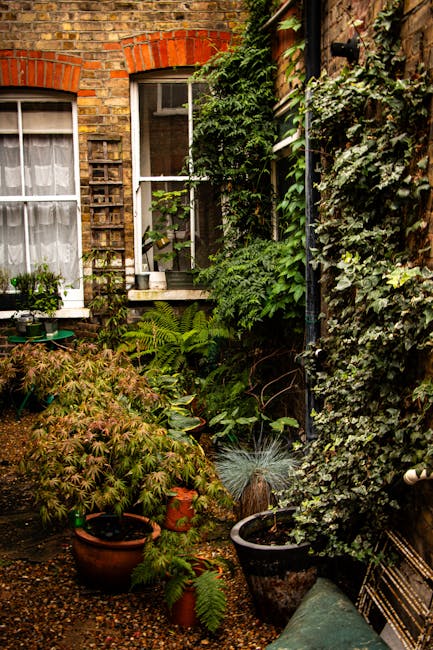
If you are looking at a tired courtyard, an overgrown back garden, or a narrow outdoor space that never quite feels finished, you are probably not after "just gardening". You want a proper transformation. That is where Parsons Green gardeners New Kings Road garden makeovers come in: thoughtful, practical changes that make a garden look better, work better, and feel easier to live with day to day.
In a part of London where outdoor space is often compact, shaded, overlooked, or awkwardly shaped, a makeover has to do more than add plants. It needs to solve problems. Drainage, privacy, storage, planting that suits the light, and surfaces that can actually be maintained without turning your weekends into a second job. This guide walks through how garden makeovers work, who they suit, what to avoid, and how to get a result that feels calm rather than cluttered. To make things easier, there's also a short table of contents and some practical pointers you can use straight away.
Why Parsons Green gardeners New Kings Road garden makeovers Matters
Gardens around New Kings Road and the wider Parsons Green area tend to share a few familiar traits: urban boundaries, neighbours close by, patchy sunlight, and not much tolerance for wasted space. That is exactly why a well-planned makeover matters. The difference between a garden that looks "fine" and one that genuinely improves your home often comes down to layout, materials, and a clear sense of purpose.
A makeover is not only about visual polish. It can change how you use the space from morning to evening. A small patio can become a usable dining area. A long, narrow plot can be broken into zones so it feels less like a corridor. A shady corner can be turned into a soft planting pocket rather than a dead end. Simple, really - but not always easy.
There is also the lifestyle side. If you work long hours, commute, or just do not want to spend every Saturday wrestling brambles and patchy turf, then low-maintenance design starts to matter a lot. In our experience, many local homeowners want a garden that is tidy, resilient, and welcoming without becoming high drama. Fair enough, too.
Expert summary: The best garden makeovers in Parsons Green are not the most elaborate ones. They are the ones that match the space, the light, and the way you actually live.
If you are comparing service levels, it helps to look at a provider's wider approach, not only the planting. Pages like the services overview and about the team can give you a better sense of how they work, what they prioritise, and whether their style suits your garden.
How Parsons Green gardeners New Kings Road garden makeovers Works
A proper garden makeover usually begins with observation, not with a shovel. That sounds obvious, but you would be surprised how often people jump straight to buying plants or laying a new surface before understanding what the garden is asking for. Sun path, drainage, existing soil conditions, access, privacy, and storage all shape the final design.
The process often follows a straightforward pattern:
- Initial assessment: The garden is measured, photographed, and reviewed for practical constraints.
- Clear brief: You decide whether the priority is entertaining, family use, low maintenance, privacy, planting, or a mix of all five.
- Design and planning: The layout is shaped around your goals, the scale of the space, and realistic upkeep.
- Preparation: This may include clearing, pruning, soil improvement, levelling, or removing old features.
- Hard landscaping and planting: Paths, edging, seating areas, beds, screening, and planting all come together.
- Finishing touches: Mulch, lighting, containers, tidy detailing, and aftercare advice help the space settle in.
That sequence matters because it keeps the project grounded. A makeover should not be a pile of nice ideas. It should be a coherent plan. A small garden can absolutely feel bigger when circulation is improved, lines are cleaner, and planting is used to guide the eye. A large garden, on the other hand, may need structure so it does not feel a little lost.
Good gardeners also think in layers: structural elements first, then surfaces, then planting, then maintenance. It is a bit like building a room outdoors. You would not choose cushions before checking whether the floor is level. Same principle, really.
Key Benefits and Practical Advantages
The most obvious benefit of a makeover is that the garden looks better. But the real value is usually deeper than appearance. A good redesign makes outdoor life easier, more enjoyable, and more flexible.
- Better use of space: Even tight gardens can feel organised when zones are defined well.
- Lower upkeep: Choosing the right plants and materials can reduce routine maintenance.
- Improved privacy: Screening, trellis, hedging, and planting can soften nearby buildings and sightlines.
- More year-round interest: Thoughtful planting gives structure across seasons, not just in spring.
- Safer movement: Level paths, sensible transitions, and tidy edges reduce trips and awkward steps.
- Better drainage and resilience: Practical groundwork can prevent puddling, mud, and waterlogged corners.
There is also a value argument. A garden that feels finished can make the whole property seem more cared for. We cannot promise exact outcomes, of course, because every house and budget is different. Still, a space that feels designed rather than neglected tends to improve how people experience the home.
One small but important point: benefits are not always dramatic on day one. Sometimes the biggest win is quieter. You notice that the back corner no longer feels gloomy. The bin store looks less intrusive. The patio stays cleaner. These are the little things that make everyday life smoother. And that is the whole game, to be fair.
Who This Is For and When It Makes Sense
Garden makeovers make the most sense when your outdoor space is no longer doing its job. That might mean it is underused, overgrown, visually messy, or just hard to maintain. It might also mean the space is technically fine, but it does not suit how you now live.
This kind of project is often a strong fit for:
- Homeowners who want a garden that feels calmer and easier to keep tidy
- Busy households that need low-maintenance, durable planting
- People entertaining more often and wanting a better outdoor layout
- New residents who want to refresh a garden after moving in
- Landlords or property owners aiming to lift the look of a shared or private outdoor area
- Anyone whose garden has become a "later" project for far too long
It also makes sense when the current layout is fighting the space. A long straight run of lawn may not help if the site is narrow and shaded. Dense planting may be lovely in theory, but if it blocks access or causes a maintenance headache, the design is working against you. This is where experienced local gardeners earn their keep - they spot those tensions early.
If you are unsure whether to go for a light refresh or a full redesign, a useful first step is reviewing the broader service options and then asking for a tailored price discussion through pricing and quotes. If you need direct guidance, you can also use the contact page to ask a few specific questions before committing.
Step-by-Step Guidance
Here is a practical way to think about a garden makeover from start to finish. Not every project follows exactly the same order, but this framework keeps expectations clear and stops the whole thing from drifting.
1. Start with the way you want to use the space
Before anyone talks about paving or planting, decide what the garden needs to do. Eat outside? Grow herbs? Give children a space to play? Hide a fence line? Reduce maintenance? Pick the top two or three priorities, because trying to do everything in a tiny garden usually ends in compromise.
2. Assess sun, shade, and movement
Walk the garden at different times of day if you can. A morning that feels bright may turn shady by early afternoon. A side passage that seems useless may actually be the perfect spot for storage or climbers. Small observations like that shape the whole design.
3. Clear out what is not working
Overgrown shrubs, broken pots, tired turf, and awkward edging can all make a space feel smaller than it really is. Clearing does not mean stripping the garden bare. It means making room for the right things to breathe.
4. Fix the bones of the garden first
Levels, drainage, borders, steps, and access points should be tackled before the pretty bits go in. This is the part many people underestimate. A beautiful planting plan will not save a soggy corner. It just won't.
5. Introduce structure
Use paving, edging, raised beds, trellis, or low hedging to create shape. In compact London gardens, structure is often what makes a design feel intentional rather than crowded.
6. Plant with purpose
Choose plants that suit the light, soil, and maintenance level. A shady townhouse garden asks for a different palette from a bright south-facing terrace. The right planting should look good and survive ordinary life, which is a pretty basic requirement, honestly.
7. Finish with detail and care guidance
Once the main work is done, the final pass matters. Mulching, cleaning surfaces, checking fixings, and clarifying aftercare all help the garden settle in. Good guidance at this stage saves confusion later.
If a gardener offers a clear plan, realistic timescales, and straightforward aftercare advice, that is usually a good sign. If everything sounds vague, keep asking questions. A proper makeover should feel understandable.
Expert Tips for Better Results
Here are the things that tend to make the biggest difference in real projects. Not glamorous, perhaps, but very effective.
- Think in layers, not objects: A garden is easier to maintain when hard surfaces, planting, and storage all have defined roles.
- Keep a restrained material palette: Too many colours or textures can make a small space feel busy.
- Use repetition: Repeating certain plants or shapes creates calm and cohesion.
- Plan for winter as well as summer: Evergreens, structure, and bark or mulch can prevent the garden from looking empty in colder months.
- Do not ignore maintenance access: You need a way to prune, clean, and refresh beds without upsetting the layout every time.
- Leave a little breathing room: Plants often grow more than expected. A slightly generous gap can save you from a crowded mess six months later.
A very common win in New Kings Road style gardens is using one strong feature instead of several competing ones. A clean seating area, a good screen, and layered planting often look better than cramming in a water feature, a large lawn, two pergolas, and a dozen decorative extras. More is not always more. A bit obvious, perhaps, but it gets forgotten surprisingly often.
Also, a quick human note: if you are emotionally attached to a particular plant, say so early. We see this all the time. Someone has a rose from a family home or a climber that just means something to them. Those details matter. A good makeover should make room for them rather than steamrolling past them.
Common Mistakes to Avoid
Most disappointing garden results come from one of a few predictable mistakes. Avoiding them is half the battle.
- Starting with plants instead of a plan: Nice plants cannot fix a poor layout.
- Choosing features that are too big: Oversized pots, furniture, or structures can dominate smaller gardens.
- Ignoring drainage: Waterlogging is one of the fastest ways to ruin a lovely new finish.
- Mixing too many styles: Cottage, contemporary, tropical, and rustic all at once can feel muddled.
- Forgetting the maintenance burden: A high-maintenance garden looks great only if someone has time to care for it.
- Underestimating access and storage: Where will tools go? How will you move through the space in winter?
Another subtle mistake is designing for an idealised version of yourself. You know the one: a person who deadheads every Sunday, wipes down outdoor furniture after every drizzle, and loves a very precise hedge. Lovely image, but not always real life. Be honest about how much care the garden will actually receive.
Sometimes the most practical fix is also the least flashy. A neater edge, better soil, or improved screening can change a space more than a dramatic centrepiece. Not very Instagrammable, maybe, but that is what tends to hold up.
Tools, Resources and Recommendations
You do not need a shed full of specialist kit to begin a makeover, but the right tools and planning resources do help. For many homeowners, the most useful resource is a written brief. Even a simple one-page note listing priorities, dislikes, budget bands, and practical constraints will sharpen the conversation with a gardener.
Helpful tools and materials often include:
- Measuring tape and a rough sketch of the garden
- Photos taken in morning, midday, and late afternoon light
- Soil improver or compost, where needed
- Mulch to protect planting and reduce moisture loss
- Simple edging materials to keep borders crisp
- Weather-resistant storage for tools and cushions
If you want to understand how the business handles practical matters such as payment, trust, and process, it is worth reviewing payment and security and the wider terms and conditions. Those pages are not glamorous, but they do help set expectations, and that matters more than people think.
For homeowners who care about waste reduction and sensible disposal, the recycling and sustainability approach is also worth checking. Garden work often creates more green waste, packaging, and old materials than people expect. Better to ask how that is handled early.
Law, Compliance, Standards, or Best Practice
For most domestic garden makeovers, the main compliance issues are practical rather than dramatic. You are usually looking at safe working methods, sensible waste handling, respect for neighbours, and making sure any materials or work practices are suitable for the site. If a project involves fencing, levels, drainage alterations, or boundary concerns, it is wise to clarify responsibilities before work starts.
In London, it is also sensible to think about access routes, noise, working hours, and how waste will be moved through the property. Even when no formal permission is needed, good neighbours appreciate tidy site management. So do most clients.
Best practice usually includes:
- Clear scope of work before the project begins
- Agreeing who is responsible for materials, access, and disposal
- Protecting adjacent surfaces, fences, and planting where possible
- Using proper manual handling and safe tool practices
- Checking whether any trees, boundary walls, or structural features need extra care
If you want reassurance about operational standards, it can help to review the company's health and safety policy and insurance and safety information. That is especially useful on larger makeovers, or if there is machinery, height work, or heavier clearance involved. A calm, methodical approach beats guesswork every time.
And yes, even a tidy garden makeover can involve more logistics than expected. Sods, soil, broken pots, old sleepers, stubborn roots - the glamorous bits are only part of the job.
Options, Methods, or Comparison Table
Not every garden needs the same level of intervention. Sometimes a refresh is enough. Other times, the space needs a more comprehensive redesign. This quick comparison should help you decide what kind of approach fits best.
| Approach | Best for | Typical focus | Things to watch |
|---|---|---|---|
| Light refresh | Gardens that are basically sound but look tired | Pruning, tidy-up, border refinement, small planting updates | May not solve layout or drainage problems |
| Mid-level makeover | Spaces that need better structure and clearer use zones | Surface updates, planting redesign, edging, screening | Needs a clearer brief to avoid scope creep |
| Full redesign | Gardens with major usability issues or a strong change in lifestyle needs | Replanning, hard landscaping, planting strategy, full visual refresh | Requires more budget, planning, and patience |
The right choice depends on what is actually wrong with the garden. If the structure is good, a refresh may do a lot. If the layout is fighting the site, a stronger intervention is often worth it. Simple enough. The hard part is being honest about it.
Case Study or Real-World Example
Here is a realistic example based on the kind of project often seen in Parsons Green. A homeowner had a narrow rear garden that felt dark, cluttered, and awkward to maintain. The space had mature planting that had grown unevenly, a patchy lawn that struggled in shade, and no clear place to sit without feeling boxed in.
The first step was not to add more plants. It was to simplify. The old layout was reviewed, the overgrown sections were reduced, and the garden was divided into a seating zone and a planting zone. Structural planting gave the eye somewhere to land. The boundaries were softened with screening and layered greenery, while the ground plane was made cleaner and more practical to use.
What changed most was the feeling of the space. It moved from "something to manage later" to "somewhere to actually use after work". That shift is often the real goal. The garden did not become fussy or overly styled. It became clear. On a mild evening, with a cup of tea and a bit of quiet, that clarity makes all the difference.
One nice side effect in projects like this is that maintenance becomes more predictable. The owner knows what needs attention, where the edges are, and how the garden is meant to behave seasonally. Less guessing, fewer surprises.
Practical Checklist
Use this before you start any makeover conversation. It keeps the project grounded and helps you brief a gardener properly.
- Have I identified the top three things the garden must do?
- Do I know which parts get sun, shade, or wind at different times of day?
- Is drainage an issue anywhere?
- Do I want low maintenance, or am I happy with regular upkeep?
- Are there plants, trees, or features I want to keep?
- Do I need better privacy or screening from neighbours?
- Is there enough storage for tools, cushions, and garden bits and pieces?
- Have I thought about how I will use the space in winter as well as summer?
- Do I have a rough budget range in mind?
- Am I comparing refresh, partial redesign, or full makeover options?
It sounds basic, but this checklist saves a lot of back-and-forth. And if you have ever tried to explain a garden plan while standing in a muddy corner at the end of a long day, you will know why clarity helps.
Get a free quote today and see how much you can save.
Conclusion
Parsons Green gardeners New Kings Road garden makeovers are really about making outdoor space work harder and feel calmer at the same time. The best results usually come from simple principles: understand the site, respect the light, fix the practical issues first, and build a design that suits your real life rather than an idealised version of it.
If your garden has been niggling at you for months, that is often a sign it is ready for more than a quick tidy. A considered makeover can turn a space from a source of frustration into somewhere you actually enjoy walking into, morning or evening. And that is worth doing properly.
When you are ready to take the next step, look for clear communication, sensible planning, and a team that understands the practical side as well as the visual one. A good garden should feel easy in the end. Not perfect, just right enough that you exhale when you step outside.
Frequently Asked Questions
What do Parsons Green gardeners New Kings Road garden makeovers usually include?
They often include a mix of clearing, pruning, layout improvements, planting updates, surface work, and finishing details such as edging or screening. The exact scope depends on the garden's condition and your priorities.
How do I know whether I need a full makeover or just a refresh?
If the garden is mainly tidy but looks tired, a refresh may be enough. If the layout is awkward, the space is hard to use, or there are drainage or privacy issues, a fuller makeover is usually more suitable.
Are garden makeovers suitable for small London gardens?
Yes, very much so. Small gardens often benefit the most because careful zoning, planting choice, and clean structure can make them feel larger and more usable.
What makes a garden makeover in Parsons Green different from one in a suburban area?
Urban gardens often need smarter use of space, better screening, and more attention to shade, access, and maintenance. The design has to work in tighter conditions, which changes the approach quite a bit.
How long does a typical makeover take?
That depends on the size of the garden and the amount of change involved. A light refresh can be relatively quick, while a full redesign naturally takes longer because more preparation and build work is involved.
Can I keep existing plants during a makeover?
Usually yes, if they are healthy and fit the new plan. In many projects, keeping one or two established plants or feature shrubs helps the garden retain character.
What are the biggest mistakes homeowners make before starting?
The biggest mistakes are starting without a clear brief, choosing plants before fixing the layout, and underestimating maintenance. Those three crop up again and again.
Do I need to prepare the garden before speaking to a gardener?
You do not need to do major work. A few photos, rough measurements, and a list of priorities are enough to start a useful conversation. That makes the process smoother from the first call.
How do I compare different makeover options?
Compare them by scope, maintenance level, and how well they fit your lifestyle. A visually impressive design is not much use if it is hard to care for or does not suit the way you use the space.
What should I ask before agreeing to work?
Ask what is included, how changes will be phased, what aftercare is needed, how waste is handled, and what the expected timescale looks like. Clear answers usually mean a smoother project.
Are sustainability and recycling relevant in a garden makeover?
Yes. Garden projects often create waste and old materials, so it is sensible to ask how removal and recycling are managed. A thoughtful approach can reduce unnecessary landfill and make the whole project cleaner.
Where can I find more information about the company behind these services?
You can read more through the about us page, review the services overview, or use the contact page if you want to ask about your own garden. If you are reviewing practical details, the pages on pricing and quotes and insurance and safety are also useful.
Sometimes the best garden project is the one that quietly makes life easier every single day. That is a pretty good return, really.