Gardener Parsons Green: Recycling and Sustainability
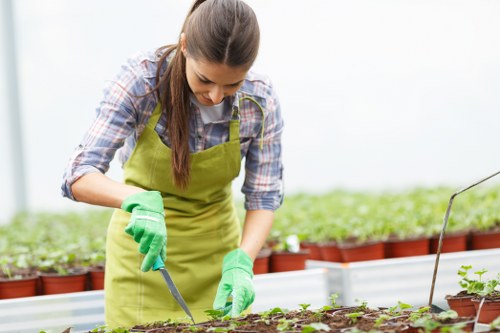 Gardener Parsons Green is committed to creating an eco-friendly waste disposal area and a thriving, sustainable rubbish gardening area for the neighbourhood. This page sets out our aims, practical systems and community partnerships that help reduce waste, improve local soil health and keep Parsons Green greener. Our approach combines local borough recycling practices, volunteer-led composting and low-carbon transport for collection and redistribution of reusable goods.
We have set a clear recycling percentage target: 65% household and garden waste diversion within five years, rising to 75% for organic and recyclable materials by 2030. To reach this, we focus on separation at source—glass, card and paper, mixed dry recycling, and a dedicated food and garden waste stream following the borough's waste separation model. Separating food and garden waste early preserves compost quality and reduces landfill methane.
 Our local strategy depends on efficient access to transfer stations and civic recycling sites. We coordinate collections to nearby transfer stations and household waste recycling centres serving the area so that materials are sorted promptly and sent to appropriate processing facilities. Local transfer stations make it possible to move bulky garden waste and reusable items quickly and with fewer vehicle miles, which reduces overall emissions for the community.
Eco-Friendly Disposal Areas and Sustainable Rubbish Gardening
We maintain designated eco-disposal zones within community green spaces where residents and the Parsons Green gardener teams drop off separated materials. These sustainable rubbish gardening areas include sheltered compost bays, timber mulching piles and covered storage for reusable soil enhancers. Compost produced on-site is used to enrich community flower beds and allotments, closing the loop between waste and soil health.Our in-community systems are backed by operational partnerships and resource sharing with borough teams. Key elements include:
- Regular curbside food and garden waste collections aligned with borough schedules
- Drop-off points for mixed recycling and glass at community hubs
- Transfer coordination with nearby recycling depots to minimise storage times
Partnerships with Charities and Social Enterprises
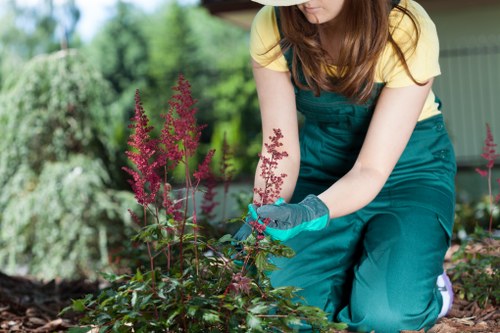
We partner with local charities and social enterprises to maximise reuse and redistribution of usable garden equipment, planters and household goods. Clothing and furniture charities, food redistribution groups and community tool libraries receive items that would otherwise be disposed of. These partnerships not only extend the life of goods but also support vulnerable residents and keep more material out of the waste stream.Working closely with charity partners allows Gardener Parsons Green to prioritise reuse before recycling. Items are triaged at the sustainable rubbish gardening area, repaired where possible and channelled into charity networks. This approach aligns with circular economy principles and increases community resilience by providing low-cost or free resources for local gardeners and residents.
Low-carbon vans form a critical part of our logistics. Our fleet uses electric and plug-in hybrid vans for short urban trips, supplemented by low-emission vehicles for heavier loads. This reduces diesel dependency and lowers the carbon footprint of collections and deliveries. We also schedule multi-drop routes to minimise vehicle miles.
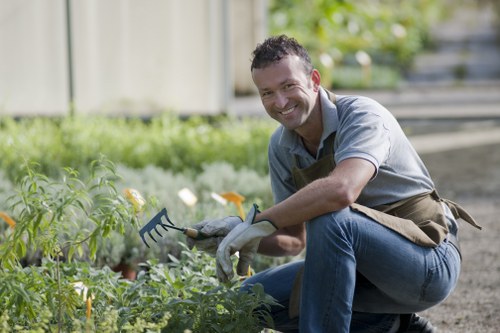 To increase participation we offer clear signage and educational outreach in public green spaces and allotments. Clear instructions explain borough recycling schemes—paper/card in blue bags or bins, glass in separate containers, food and garden waste in brown/green caddies and residual waste in designated refuse sacks. Encouraging correct separation improves material quality for processors and reduces contamination rates.
We monitor progress through regular audits of the eco-friendly waste disposal area and the sustainable rubbish gardening area. These audits track contamination rates, diversion percentages and volumes sent to transfer stations. Using that data, we adapt routes, storage needs and partnership arrangements to hit and exceed our recycling percentage target. Transparency and measurement are central to long-term success.
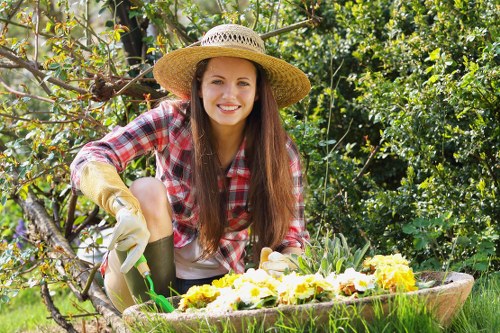 Looking ahead, Gardener Parsons Green will expand its sustainable initiatives by piloting community-scale anaerobic digestion for excess food-garden mix, increasing volunteer-led compost training and growing our electric vehicle charging capacity for collection vans. By combining the borough's practical waste separation system with on-site composting, partner charities and a low-carbon fleet, we aim to be a model for urban neighbourhood sustainability while keeping Parsons Green green and vibrant.