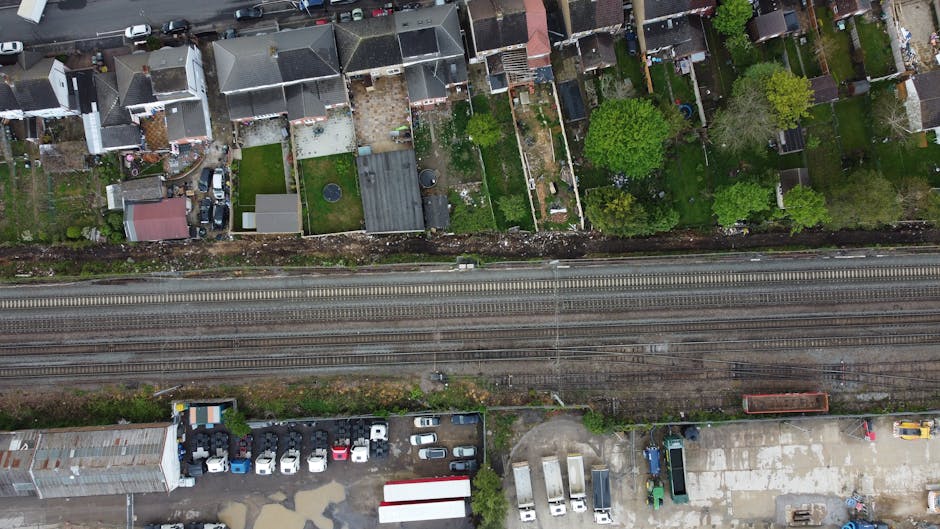
Parsons Green Station Verge Planting Case Study by Local Gardeners
Verge planting looks simple from the pavement, but anyone who has worked near a busy station knows it takes judgement, patience, and a fair bit of planning. In this Parsons Green Station verge planting case study by local gardeners, we explore how a modest stretch of roadside or station-edge planting can lift a space, soften hard surfaces, and make a route feel looked after rather than forgotten. It is not just about pretty flowers. It is about visibility, durability, access, and making the planting survive real London conditions.
If you are weighing up whether verge planting is worth the effort, or you are trying to understand what local gardeners actually do on a project like this, this guide walks through the practical side. You will see the method, the benefits, the common mistakes, and the standards of care that matter when planting close to footfall, transport routes, and changing weather. Truth be told, the details are what make the difference.
Contents
- Why Parsons Green Station verge planting case study by local gardeners Matters
- How Parsons Green Station verge planting case study by local gardeners Works
- Key Benefits and Practical Advantages
- Who This Is For and When It Makes Sense
- Step-by-Step Guidance
- Expert Tips for Better Results
- Common Mistakes to Avoid
- Tools, Resources and Recommendations
- Law, Compliance, Standards, or Best Practice
- Options, Methods, or Comparison Table
- Case Study or Real-World Example
- Practical Checklist
- Conclusion
- Frequently Asked Questions
Why Parsons Green Station verge planting case study by local gardeners Matters
Verge planting around a station is one of those jobs that quietly changes how people experience a place. The edge of a road, a rail approach, or a narrow green strip can either feel neglected or carefully managed. At Parsons Green, where movement is constant and the surroundings need to stay tidy, planting has to do several jobs at once. It should look good, stay safe, and cope with compacted soil, shade, occasional drought, and the sort of wear that comes with urban foot traffic.
Local gardeners bring something useful here: they know the rhythm of the area. They understand that a planting scheme near Parsons Green cannot be fussy or fragile. It needs species that can handle real-world conditions, not just look lovely in the first week after installation. They also know how to work around access, maintenance cycles, and the small constraints that often decide whether a scheme thrives or becomes a disappointment by late summer.
There is also a wider value. A planted verge can soften the hard edges of transport infrastructure, reduce the feeling of exposure, and make a station approach more inviting. You notice it on the daily commute, even if only in passing. A well-kept green edge changes the mood. Simple as that.
For local businesses and property managers, this matters because first impressions are built very quickly. For residents, it matters because it makes the neighbourhood feel cared for. And for gardeners, it is a practical test of whether design, maintenance, and local knowledge are all pulling in the same direction.
How Parsons Green Station verge planting case study by local gardeners Works
Verge planting is not usually a one-off "plant and forget" project. It is more like a sequence of small decisions. First comes the assessment: how much light does the site get, how exposed is it to wind, what is the soil like, and how close is the planting area to paving, kerbs, railings, or pedestrian routes? The answers shape everything from plant choice to spacing.
Then local gardeners typically look at function before style. Do you need a low, neat structure that will not block sightlines? Or do you want softer, seasonal interest with a bit more height? On a station verge, the safest approach is usually a restrained planting palette with clear edges. That helps visibility and keeps the area from looking chaotic after a few weeks of growth.
The work itself often includes soil improvement, weed removal, edging, planting, mulching, and a first watering plan. If the area has a lot of rubbish or old debris, a proper garden clearance stage can make the difference between a neat installation and an uphill struggle. After that, regular garden maintenance keeps the verge from slipping back into neglect.
In some projects, the planting is supported by wider landscaping decisions. For example, a hard edge, path reset, or small structural change may be needed so the planting bed does not get trampled. Where the surrounding space needs a broader refresh, landscaping or landscape gardening can work alongside planting rather than separately. That is usually the smarter route. Less patching, more cohesion.
Key Benefits and Practical Advantages
Good verge planting delivers more than decoration. The real benefits are practical, and that is why local gardeners often approach it with a maintenance-first mindset.
- Better visual character: A planted verge softens concrete, kerbs, railings, and other hard surfaces.
- Clearer sense of care: People notice tidy planting quickly, even if they do not consciously analyse it.
- Improved resilience: The right species can cope better with dry spells, shade, and footfall than delicate ornamentals.
- Lower long-term disruption: A thoughtfully planted verge is easier to manage than a repeated cycle of planting and replacing failed material.
- Seasonal interest: Even a small palette can give colour, texture, and movement across the year.
There is also a subtle but important advantage: planting can help frame the area so it feels intentional. That sounds minor, but it really is not. A space that feels designed is easier to keep in good shape than one that feels left to chance.
For a busy station environment, the practical gains often matter more than the ornamental ones. You want plants that recover well after dry weather, keep their form, and do not create awkward obstructions. To be fair, if a planting scheme becomes annoying to maintain, it will not stay attractive for long.
Expert summary: Verge planting succeeds when it is chosen for the site first and the appearance second. The best scheme is the one that still looks composed after a bit of weather, a bit of neglect, and a few months of real life.
Who This Is For and When It Makes Sense
This kind of project suits a few different readers. If you manage a frontage, a transport-adjacent strip, or a small public-facing green space, verge planting can be a smart way to improve presentation without a full redevelopment. If you are a homeowner or landlord near a high-footfall route, it can also help create a more polished edge to the property.
It makes sense when the site is currently bare, tired, or overrun with weeds. It also makes sense when the planting needs to do a specific job: hide a messy boundary, guide movement, or stop the whole frontage feeling visually flat. Not every site needs big changes. Sometimes a neat, low planting scheme is enough.
Local gardeners are a good fit when the brief is practical and the margin for error is small. They can assess the site, recommend plants that are likely to survive, and shape the maintenance plan so the space stays presentable. If the verge is part of a larger grounds care schedule, it may be worth looking at services overview information to see how planting sits alongside trimming, mowing, and seasonal upkeep.
It is also worth thinking about sustainability. If you want the planting to support a lower-waste, lower-replacement approach, the team's approach to recycling and sustainability matters. That can influence how cuttings are handled, what materials are reused, and how the site is managed across the year.
Step-by-Step Guidance
Here is a practical way to think about a verge planting project near Parsons Green Station. The exact sequence can vary, of course, but this is the rhythm that tends to work.
- Assess the site properly. Look at light levels, drainage, compaction, access, and sightlines. A quick glance is not enough.
- Clear the area. Remove debris, dead material, and invasive weeds so the planting starts with a clean base.
- Test the planting logic. Keep the scheme low and robust if visibility is critical. Choose forms that will not spill into footways.
- Prepare the soil. Improve structure where needed, especially if the verge is dry, compacted, or low in organic matter.
- Install edging or boundaries if needed. This helps stop plants wandering into places where they will be trampled or damaged.
- Plant in groups. Repeated clusters usually look calmer and easier to maintain than a random scatter of species.
- Mulch and water. Mulch helps hold moisture and suppress weeds, while early watering helps the roots settle in.
- Plan the first three months. This is when many planting schemes succeed or fail. A little attention now saves a lot later.
And yes, the first few weeks matter more than people think. You can do everything right on planting day and still lose momentum if aftercare is ignored. A station verge is a living system, not a display stand.
If the area includes overgrown edges or nearby trees that are casting too much shade, it may also help to consider hedge trimming or even tree lopping and removal where appropriate. That is not always necessary, but sometimes light and airflow are the missing pieces.
Expert Tips for Better Results
Local gardeners tend to learn the same lessons the hard way, which is usually how the best advice gets formed. Here are the points that genuinely improve outcomes.
- Use repetition. Repeat plants or colours so the verge feels deliberate rather than busy.
- Choose resilient plants over trendy ones. A plant that looks good for one month and collapses for the next is not a win.
- Keep edges crisp. A neat edge makes even modest planting look well cared for.
- Plan for maintenance access. If the team cannot reach the bed without trampling it, the scheme will age badly.
- Think seasonally. A site can look very different in January than in June, so aim for year-round structure.
- Keep an eye on watering needs. Urban planting often dries out faster than people expect, especially near paving and walls.
One small but useful trick: walk past the site at different times of day. Morning shade can turn into afternoon glare, and a bed that looks fine at 10 a.m. may be more exposed by 4 p.m. It sounds obvious when you say it out loud. In practice, people miss it all the time.
Another tip is to integrate verge planting with broader grounds care. A planting bed beside mown grass or a cleared strip will feel far more stable if the wider landscape is maintained consistently. That is where lawn mowing and regular upkeep can quietly support the whole look.
Common Mistakes to Avoid
The biggest mistakes are rarely dramatic. They are usually small judgement errors that snowball. A few examples stand out.
- Choosing plants only for appearance: Attractive but delicate planting is risky in a station setting.
- Overcrowding the verge: Too many species can create competition, mess, and maintenance headaches.
- Ignoring footfall patterns: If people naturally cut across the edge, the planting needs to account for that.
- Skipping soil preparation: Even good plants struggle in tired, compacted soil.
- Forgetting aftercare: The first season is where the long-term result is won or lost.
- Making maintenance awkward: If trimming, weeding, or watering is difficult, the bed becomes less reliable quickly.
It is also easy to overcomplicate the design. More plants do not always mean a better result. In fact, the opposite can be true. A simpler scheme often reads better from a distance and is much easier to look after. Less drama, more staying power.
Where the site has been neglected for a while, starting with a proper clearance stage is usually better than trying to work around old issues. A fresh base gives you room to make sensible decisions instead of patching over problems.
Tools, Resources and Recommendations
You do not need exotic kit for verge planting, but you do need the right basics and a sensible method. For local gardeners, the practical toolkit often includes spades or border forks, hand trowels, secateurs, rakes, watering cans or hose access, mulch, edging tools, and protective gloves. Nothing glamorous. Just reliable kit that gets used properly.
Useful recommendations include:
- Choose hardy, site-appropriate plants: Plants should suit the light, shelter, and soil conditions rather than a catalogue fantasy.
- Use mulch early: It reduces evaporation and helps control weeds.
- Keep a simple maintenance schedule: Regular visits beat occasional rescue missions.
- Budget for replacements: Even careful planting sometimes needs a few adjustments after the first season.
- Work with a clear scope: Know what is being planted, what will be maintained, and who is responsible for what.
If you are assessing how a project is priced, the most helpful starting point is usually a proper written estimate. The team's pricing and quotes information can help set expectations around scope, access, and ongoing care. It is not just about the first visit; it is about the months after it.
For some sites, the best value comes from combining planting with other services rather than treating each task separately. That might include border tidying, hedge work, or selective clearance. It depends on the site, honestly.
Law, Compliance, Standards, or Best Practice
For verge planting near a station or public-facing area, compliance matters because safety and access matter. The exact obligations depend on ownership, location, and the nature of the space, so it is wise to check the site-specific requirements rather than assume a one-size-fits-all rule.
In general, best practice includes keeping sightlines clear, avoiding trip hazards, maintaining safe access for pedestrians, and not allowing plants to obstruct paths or create confusion near crossings and entrances. Where pruning or tree work is involved, it should be handled carefully and in line with sensible arboricultural practice. If a team is working near public access, clear method, proper supervision, and decent safety controls are not optional. They are just part of doing the job properly.
From a business point of view, it is also sensible to work with gardeners who can explain how they handle site safety, insurance, and risk. That is why pages such as health and safety policy and insurance and safety are worth reviewing before work begins. They do not replace a site visit, but they do tell you a lot about how seriously the work is taken.
Where there is public access, accessibility should also be considered in plain terms: people should be able to move through the space easily and safely. If a project may affect access, it is sensible to check the team's accessibility statement and make sure the plan respects the needs of different users. That is not box-ticking. It is common sense.
Options, Methods, or Comparison Table
Not every verge planting approach suits a station edge. The right method depends on how visible the space is, how much maintenance you can commit to, and whether the aim is structure, colour, or habitat value. Here is a simple comparison.
| Method | Best for | Pros | Watch-outs |
|---|---|---|---|
| Low structured planting | Busy public edges and sightline-sensitive areas | Neat, clear, easy to maintain | Can look sparse if underplanted |
| Mixed perennial verge planting | Longer-term visual interest | Seasonal variation, softer feel | Needs careful species choice and aftercare |
| Wildlife-friendly verge planting | Quieter margins and larger strips | Ecological value, natural look | May look untidy if not clearly defined |
| Combined hardscape and planting | High-traffic or awkward boundaries | Better protection and clear edges | More upfront planning and cost |
In a place like Parsons Green, many gardeners would lean toward low structured planting or a controlled mixed scheme. The reason is simple: the space has to work every day, not just in photos. A slightly restrained design often ages better.
Case Study or Real-World Example
Here is a realistic example based on the kind of brief local gardeners often receive. A narrow verge near a station approach has become patchy. Weeds have taken hold, the soil is dry and compacted, and the area is doing nothing for the look of the street. People pass it constantly, so the site needs to feel calm and tidy, but not over-designed.
The gardener's first move would usually be to clear the area, remove debris, and assess whether existing shrubs or small trees are worth keeping. If the verge has become cluttered, a garden clearance stage gives the team a clean start. If a few mature plants are worth retaining, they can be worked into the new scheme rather than removed for the sake of it. That is where experience helps. Not everything needs a reset.
Next comes a simple design: low evergreen structure at the back, drought-tolerant seasonal planting toward the front, and a mulch layer to reduce weeds and water loss. Edges are sharpened so passers-by know exactly where the planting begins. The final result is not flashy. It is composed, clean, and believable.
After the first month, the maintenance rhythm matters. Light watering where needed, weed checks, and seasonal tidying keep the scheme on course. If the nearby boundary is part of the issue, hedge trimming may be folded into the schedule so the planting is not overshadowed or crowded. Over time, the space starts to feel like it belongs there, which is really the goal.
A small but telling moment: when a site goes from scruffy to cared for, people often slow down without realising. They look up. They notice. That shift is subtle, but it matters.
Practical Checklist
Use this checklist before starting a verge planting project near Parsons Green Station or any similar public-facing site.
- Confirm the space is suitable for planting and access remains safe.
- Check light, wind exposure, drainage, and soil condition.
- Remove rubbish, weeds, and dead material first.
- Choose resilient plants that suit the site, not just the colour scheme.
- Keep the design low enough to protect sightlines where needed.
- Plan edging or barriers if footfall is likely to damage the bed.
- Use mulch and a realistic watering plan.
- Set a maintenance schedule for the first season.
- Review nearby trees, hedges, or grass areas that may affect light or upkeep.
- Make sure safety, access, and maintenance responsibilities are clear.
If you tick all of those boxes, you are already ahead of many planting jobs. Seriously. The biggest problems usually come from skipping the unglamorous part.
Conclusion
A Parsons Green Station verge planting project works best when it is treated as a practical landscape task, not just a decorative one. The planting has to suit the site, the maintenance plan has to be realistic, and the final result has to feel calm in a busy setting. Local gardeners are well placed to make that happen because they understand both the look of the space and the day-to-day realities underneath it.
Done well, verge planting can improve the feel of a station approach, support better presentation, and create a small but meaningful sense of care. Done badly, it becomes extra work. That is the honest version. The good news is that with the right planning, it usually leans strongly toward the first outcome.
If you are planning a similar project, start with the site conditions, choose resilient planting, and keep maintenance in the picture from day one. That is the steady path. The sensible one.
Get a free quote today and see how much you can save.
Frequently Asked Questions
What is verge planting near Parsons Green Station?
It is the planting of a narrow strip of land beside a road, path, or station-adjacent boundary to improve appearance, structure, and sometimes ecological value. The key is choosing plants that can handle a public-facing setting.
Why use local gardeners for a verge planting project?
Local gardeners understand the conditions in the area, including footfall, shade patterns, and the sort of maintenance a site really needs. That local knowledge often leads to better plant choices and fewer surprises later.
How long does verge planting usually last before it needs attention?
There is always some aftercare in the first few months. A good scheme should remain presentable long term, but it will still need periodic weeding, watering in dry spells, and seasonal tidying. It is not a one-and-done job.
What plants work best for station verge planting?
Hardy, low-maintenance plants usually work best. The exact choice depends on light, soil, and how exposed the site is. In public-facing areas, gardeners often prefer species that stay compact and recover well after weather stress.
Is verge planting expensive?
Costs vary with site size, soil condition, access, plant selection, and whether clearance or maintenance is included. A small, tidy scheme can be fairly modest, while a more structural project will cost more. The best approach is to get a tailored quote.
Does verge planting need regular maintenance?
Yes. Even robust planting needs weed control, watering in the establishment phase, and seasonal cutting back. If maintenance is skipped, the site can quickly lose its shape and become harder to recover.
Can verge planting improve safety as well as appearance?
Yes, if it is designed properly. Low planting can help soften the space without blocking visibility or access. The main point is to keep the planting clear of routes, crossings, and any area where visibility matters.
What is the biggest mistake people make with verge planting?
Choosing plants that look attractive but are wrong for the site. That usually leads to weak growth, repeated replacements, and more maintenance than expected. The site should guide the planting, not the other way around.
Do I need planning permission for verge planting?
That depends on land ownership, location, and the type of work involved. It is sensible to check who controls the area and what is allowed before starting. For public or transport-adjacent spaces, the rules can be more specific.
How do gardeners stop verge planting from looking messy?
By keeping the design simple, repeating plants, maintaining crisp edges, and scheduling regular upkeep. A tidy structure does a lot of heavy lifting. It is a bit like a good haircut, really.
Can verge planting be part of a wider landscaping plan?
Absolutely. In many cases, it works best when combined with other improvements such as edging, boundary tidying, hedge management, or broader landscape work. That creates a more cohesive result and often makes maintenance easier too.
How do I choose the right gardener for this kind of project?
Look for practical experience, clear communication, and a maintenance-minded approach. It also helps if they can explain safety, access, and longer-term upkeep. If you are comparing providers, start with their company background through about us and then move on to the rest of the service information from there.
What should I ask before booking verge planting work?
Ask what happens during site preparation, which plants they recommend, how aftercare is handled, and what maintenance will be needed in the first season. You should also ask how they manage payment, scheduling, and site safety so there are no loose ends.
How do I get started?
Begin with a site review and a conversation about your goals. If the area needs a broader tidy-up first, that can be discussed alongside the planting plan. When you are ready, the most direct next step is to make an enquiry through contact us.